Scleroderma 102: All you need to know
Sorry, but you do not have permission to view this content. If you are a member, please login to view the content.

As FESCA, we exist to raise awareness of scleroderma as a chronic condition, engage with policymakers to drive change and unite the community of people living with the disease who have unique insight into how it feels.
To do that, however, we must first make sure scleroderma is visible to those who need to see it.
We cannot help those living with scleroderma if they don’t know they have it. They, in turn, cannot understand their disease, if HCPs do not know what they are looking for.
By focusing on awareness and education, we can help make the unseen about scleroderma seen.
By increasing awareness, we can improve lives.

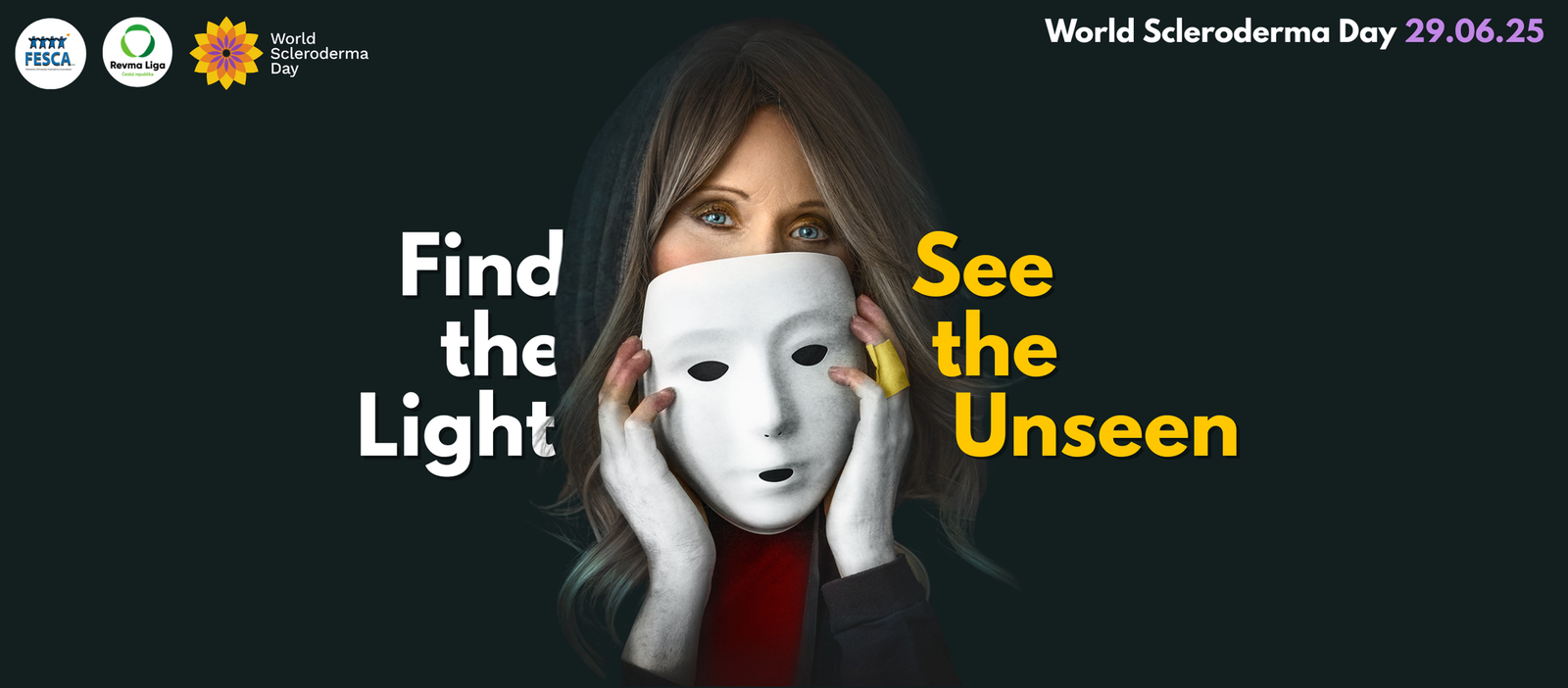
See the unseen campaign
90% of people living with scleroderma have never heard about the disease before starting to show symptoms.
This is because scleroderma – a disease associated with a myriad of severe cardiovascular, digestive, respiratory and mobility issues – is not on most people’s radar.
Alongside being unknown to the general public, scleroderma is majorly underrepresented in medical education – meaning doctors frequently misdiagnose symptoms before recognising that scleroderma is behind them.
The lack of awareness of scleroderma symptoms is dangerous because it leads to delays in diagnosis that give the disease unwanted time to progress. The longer that someone with scleroderma goes undiagnosed, the more irreversible damage it causes to their body.
FESCA is calling on you to join us in changing this reality in the lead up to World Scleroderma Day on the 29th.
Every week in June, we were you in the shoes of a person with scleroderma – exploring the different symptoms that shape their life to help you ‘See the Unseen’ about the disease.
Our mission was and is to shed light on what living with a rare disease like scleroderma is really like, in hopes of improving education, research and care.
The campaign ‘See the unseen’ encouraged descisionmakers, HCPs, caregivers, future patients and more to follow FESCA to learn more about what life is like with scleroderma, and share the posts with the policy and healthcare community so we can better support patients in their journey!


Photos: Lenka Laňková (web: https://www.lenkalankova.cz/)


Scleroderma is an autoimmune disease characterized by the hardening and tightening of the skin and connective tissues. This complex condition stems from an overproduction of collagen, which can lead to a variety of symptoms and complications, varying widely among patients. Scleroderma is classified into two main types: localized scleroderma, which primarily affects the skin, and systemic scleroderma, which can impact internal organs, such as the lungs, heart, and gastrointestinal tract. Each patient’s experience with scleroderma can be markedly different, with symptoms ranging from mild skin changes to severe complications that can affect longevity and quality of life.
The symptoms of scleroderma can be quite diverse and may include swelling, stiffness of the fingers and joints, and changes in skin color. Patients may also experience digestive issues, pulmonary hypertension, or renal complications, making early diagnosis and management crucial. Despite these challenges, awareness of scleroderma remains alarmingly low in both the general population and within the healthcare system. This lack of understanding can lead to delays in diagnosis, mismanagement of symptoms, and ultimately, poorer patient outcomes.
Furthermore, the limited availability of resources and support for scleroderma patients exacerbates the emotional and physical toll of the disease. Individuals may feel isolated or misunderstood, as they navigate the difficulties associated with such a complex condition. This scenario underscores the critical need for advocacy driven by organizations such as Fesca, aimed at enhancing scleroderma awareness and creating platforms for support. Through education and outreach, advocates can inspire better understanding and practices within the medical community, improving resources and care for those affected by scleroderma.
Fesca, the European Scleroderma Association, serves a pivotal function in advocating for the rights and needs of patients suffering from scleroderma. This organization is instrumental in amplifying the voices of affected individuals, ensuring their challenges are heard at various levels of governance and within the healthcare industry. One of the primary aims of Fesca is to foster collaboration between politicians, pharmaceutical companies, and medical professionals, creating a united front to tackle the ongoing struggles faced in scleroderma diagnosis and treatment.
Through its advocacy efforts, Fesca works diligently to identify barriers that hinder timely and accurate diagnosis and effective treatment for scleroderma patients. By engaging with legislators and stakeholders, Fesca plays a crucial role in influencing policy changes that can lead to improved healthcare outcomes. Furthermore, the organization actively promotes awareness among healthcare providers about the complexities of scleroderma, cultivating a more empathetic understanding of the disease that can translate into better patient care.
Another significant aspect of Fesca’s advocacy is its initiatives aimed at promoting collaboration among stakeholders involved in scleroderma care. By bringing together various parties, Fesca fosters an environment in which sharing of knowledge, experiences, and resources becomes commonplace. Such collaboration is vital to ensure that the treatment protocols are equitable and accessible to all scleroderma patients, regardless of their geographical location or socioeconomic status.
In conclusion, the advocacy work conducted by Fesca is not only vital for raising awareness about scleroderma but also essential in driving change within the healthcare system. By aligning the efforts of different stakeholders, Fesca strives to provide a cohesive approach to address the needs of scleroderma patients, ultimately improving their quality of life. The organization’s dedication highlights the importance of collaborative advocacy in ensuring patients receive the support and care they deserve.
Fesca plays a pivotal role in bridging the gap between scleroderma awareness and the legislative and pharmaceutical sectors. Recognizing the multifaceted nature of scleroderma, Fesca actively engages politicians and pharmaceutical companies to create a collaborative approach that enhances support for patients. This engagement is crucial, as the involvement of these entities can lead to more effective policymaking, better funding opportunities, and ultimately, improved treatment and care for individuals affected by scleroderma.
One effective strategy utilized by Fesca is the organization of specialized forums and discussions that bring together policymakers, researchers, and industry leaders. These forums serve as a platform for sharing insights on the latest advancements in scleroderma research and treatment options. By fostering open dialogue, Fesca creates an environment where potential collaborations can flourish. Politicians gain a better understanding of the challenges faced by scleroderma patients, while pharmaceutical companies can align their research and development efforts with real-world patient needs.
Moreover, Fesca emphasizes the importance of advocacy campaigns directed at policymakers to secure legislative support for scleroderma initiatives. Through targeted outreach and education, Fesca mobilizes its network to influence critical policy decisions that can enhance funding for research. Success stories from these engagements highlight Fesca’s ability to effect meaningful change; for instance, securing grants for cutting-edge research and facilitating the introduction of vital healthcare legislation.
By forging strong partnerships with politicians and pharmaceutical entities, Fesca not only amplifies the voice of the scleroderma community but also ensures that patient-centric policies are prioritized in medical research agendas. Such collaborations are essential for driving forward the agenda of scleroderma awareness and care, ultimately leading to improved outcomes for patients.
Fesca has been instrumental in raising awareness about scleroderma, a rarely discussed autoimmune disorder that affects the skin and internal organs. Their commitment to enhancing public knowledge has led to various initiatives aimed at both the general public and medical professionals. Through carefully designed campaigns, Fesca seeks to shed light on the often-overlooked symptoms of scleroderma, which can lead to earlier and more accurate diagnoses. This is crucial, as early intervention can significantly improve patients’ quality of life.
One of the key initiatives undertaken by Fesca involves educational programs that target healthcare providers. These initiatives provide essential training on the recognition of scleroderma’s early signs, thus equipping healthcare professionals with the knowledge necessary to diagnose the condition more effectively. By increasing the health sector’s understanding of scleroderma, Fesca aims to facilitate timely treatment options, ultimately leading to better health outcomes for those affected by the disease.
The organization also runs awareness campaigns aimed at the general public, utilizing various media platforms to disseminate crucial information. These campaigns often highlight personal stories and testimonials from individuals living with scleroderma, creating a relatable narrative that resonates with a wider audience. This human connection helps to demystify the condition, breaking down barriers of stigma and fostering a supportive community for those affected.
Moreover, Fesca collaborates with other patient advocacy groups and research institutions to promote studies and trials focused on developing improved treatment options. By raising awareness, Fesca not only creates an informed community but also advocates for the resources necessary to foster advancements in scleroderma care. As awareness continues to grow, so too does the potential for breakthroughs in treatment that can change lives.
FESCA, the Federation of European Scleroderma Associations AISBL, serves as a vital umbrella organization dedicated to the promotion and support of scleroderma awareness across Europe. This federation plays a crucial role in uniting various national groups, striving towards common objectives that align with the unique needs and goals of each member organization.
Currently, FESCA comprises 23 member organizations from 18 different countries. This diversity enriches the federation’s endeavors, allowing for the sharing of knowledge, resources, and support mechanisms among member states. Each organization contributes unique insights into regional challenges and strategies, enhancing the collective voice in advocating for better recognition of scleroderma.
The primary aim of FESCA is to advocate for the interests of scleroderma patients across Europe. By working collaboratively, member organizations can raise public awareness, influence policy decisions, and improve the quality of life for individuals affected by scleroderma. Furthermore, FESCA provides a platform for networking and sharing best practices, fostering a stronger community dedicated to patient welfare.
The Federation of European Scleroderma Associations (FESCA) has emerged as a pivotal organization in the realm of scleroderma awareness and advocacy across Europe. Established to address the significant challenges faced by individuals affected by this rare autoimmune condition, FESCA serves as an umbrella organization uniting various national scleroderma associations. Its formation was driven by the collective recognition of the need for a cohesive approach to raise awareness, provide support, and encourage research initiatives on scleroderma throughout the continent.
FESCA’s mission is multifold, focusing on enhancing the lives of individuals diagnosed with scleroderma while fostering a network of support for patients and their families. The organization engages in advocating for policy changes, thereby ensuring that the voices of those impacted by scleroderma are heard at national and European levels. Through collaborative efforts, FESCA promotes information sharing, best practices, and educational resources that empower national associations to better serve their communities.
One of the essential roles of FESCA is to facilitate communication between its member organizations, thus allowing for a rich exchange of knowledge and experiences. This collaborative effort ensures that all voices in the scleroderma community are represented and that diverse perspectives contribute to shaping the future of scleroderma care. By linking national associations, FESCA strengthens local efforts and enhances the overall impact on public awareness and research funding directed toward scleroderma.
As a pan-European organization, FESCA contributes to building a supportive environment for individuals living with scleroderma while actively engaging in campaigns aimed at increasing public understanding of the disease. This dedication to advocacy and awareness places FESCA at the forefront of efforts to ensure that scleroderma patients receive the attention, support, and resources they desperately need across Europe.
The Federation of European Scleroderma Associations (FESCA) plays a pivotal role in advocating for the scleroderma community across Europe. One of its primary objectives is to foster active involvement from politicians and pharmaceutical companies in order to promote research and development of effective therapies. By engaging with legislators, FESCA aims to influence healthcare policies that prioritize funding and support for scleroderma research. The involvement of pharmaceutical companies is equally critical, as their partnerships can lead to advancements in treatment options, ultimately improving the quality of life for those affected by this condition.
In addition to political advocacy, FESCA is dedicated to enhancing early diagnosis and treatment of scleroderma through collaboration with healthcare professionals. The organization facilitates workshops, conferences, and training sessions that equip medical practitioners with the latest information and best practices in diagnosing and treating scleroderma. These efforts are designed to ensure that patients receive prompt and accurate diagnoses, which are essential for effective management of the disease. By bridging the gap between research and clinical practice, FESCA fosters a healthcare environment that prioritizes patient welfare.
Moreover, increasing public awareness of scleroderma is a significant initiative undertaken by FESCA. Through campaigns, social media outreach, and educational materials, the organization seeks to inform the general public about scleroderma, its symptoms, and its impact on lives. Raising awareness is crucial not only for fostering empathy and understanding but also for encouraging individuals to seek early medical advice when faced with symptoms. By successfully advocating for these objectives, FESCA aims to create a supportive network that empowers those living with scleroderma and ensures their voices are heard on both national and European platforms.
The Federation of European Scleroderma Associations (FESCA) plays a pivotal role in enhancing the capacity of national organizations dedicated to scleroderma awareness and support. By fostering a collaborative network among its member associations, FESCA ensures that these groups can effectively advocate for individuals living with scleroderma across various European countries. This collaboration is essential, as each national organization possesses unique insights into the specific challenges faced by local scleroderma sufferers.
FESCA facilitates partnerships through a structured approach, which includes regular communication forums, annual conferences, and workshops that promote shared best practices among national organizations. These platforms provide member associations with access to valuable resources, including educational materials, research findings, and advocacy toolkits, which are crucial for empowering their local communities. By sharing these resources, FESCA not only strengthens the capacity of each national group but also cultivates a unified voice in the pursuit of better care and support for scleroderma patients.
Moreover, FESCA actively engages in the development of specific programs that cater to the diverse needs of its members. These initiatives include joint awareness campaigns aimed at informing the public about the complexities of scleroderma, as well as programs that emphasize the importance of research funding and patient support services. By pooling resources and coordinating efforts, national organizations can extend their reach and efficacy, ultimately leading to improved outcomes for individuals suffering from this debilitating condition.
In essence, the support structure provided by FESCA to national organizations is not only vital for resource sharing but also instrumental in building a resilient network that champions the rights and well-being of scleroderma patients throughout Europe.
The Federation of European Scleroderma Associations (FESCA) has a forward-thinking vision focused on establishing a collaborative environment that prioritizes the needs of scleroderma patients across Europe. In pursuit of this vision, FESCA aims to enhance the political, social, and medical landscape for individuals living with scleroderma. One of the fundamental strategies involves fostering deeper partnerships among European countries and various health associations. By uniting diverse stakeholders, FESCA hopes to create a shared understanding of the challenges faced by scleroderma patients and develop solutions that are beneficial at both national and regional levels.
As part of this effort, FESCA has initiated several successful campaigns and projects that have already begun to bear fruit. For instance, the establishment of information-sharing platforms allows member associations to exchange best practices and successful advocacy strategies. This collaborative approach not only encourages more targeted action but also strengthens the collective voice advocating for improved healthcare policies for scleroderma patients. Additionally, regular conferences hosted by FESCA provide a venue for sharing research, which enhances awareness and fosters partnerships among researchers, healthcare providers, and advocacy groups.
In light of the initial successes, FESCA is committed to broadening its outreach and driving further initiatives. Plans for ongoing training programs aimed at healthcare professionals will ensure that they are equipped with the tools and knowledge necessary to provide optimal care for scleroderma patients. Furthermore, targeted awareness campaigns are being formulated to better inform the public about the challenges associated with this disease, thereby maximizing support and understanding for those affected.
By cultivating an environment characterized by collaboration and knowledge-sharing, FESCA is striving to create a more supportive and informed community for scleroderma patients across Europe, ultimately enhancing their quality of life and access to care.